Every decision lands on you.
Work out what only you should do, what your team can own, and what needs to change first.
Get help as an ownerThe crew. The calls. The jobs. Every decision. When the business depends on you for everything, it can start to run your life.
TRACE helps you get clear, build a stronger team, and stop carrying it all alone.
Plumbing · Electrical · Roofing · HVAC · Construction · Other service businesses
When there's a hard problem to solve, this is why Dan Martell turns to Roddy.
In this short clip, Dan talks about trust, technical experience, and Roddy's ability to work with and manage people.
Meet RoddyDan says he has known Roddy for more than 20 years. He points to Roddy's software company experience, technical background, trustworthiness, and ability to talk with and manage people. Later, the conversation turns to building a venture platform around known audiences and problems.
This is a summary based on the supplied Manus transcript extraction. The title quotes Dan at approximately 00:37. Read the transcript excerpts and fuller summary.
Start with the thing that's making your day harder than it needs to be.
Work out what only you should do, what your team can own, and what needs to change first.
Get help as an ownerGet clear on who's responsible, what happens next, and how to keep the work moving.
Get the team movingFind the problem that keeps costing you time, money, or energy. Build a plan to deal with it.
Find what's holding you backNo presentation needed. No need to have it all figured out.
Tell us what's eating up your time and where you feel stuck.
Get clear on the problem that matters most and whether TRACE can help.
If there's a fit, decide what the work should look like before moving ahead.
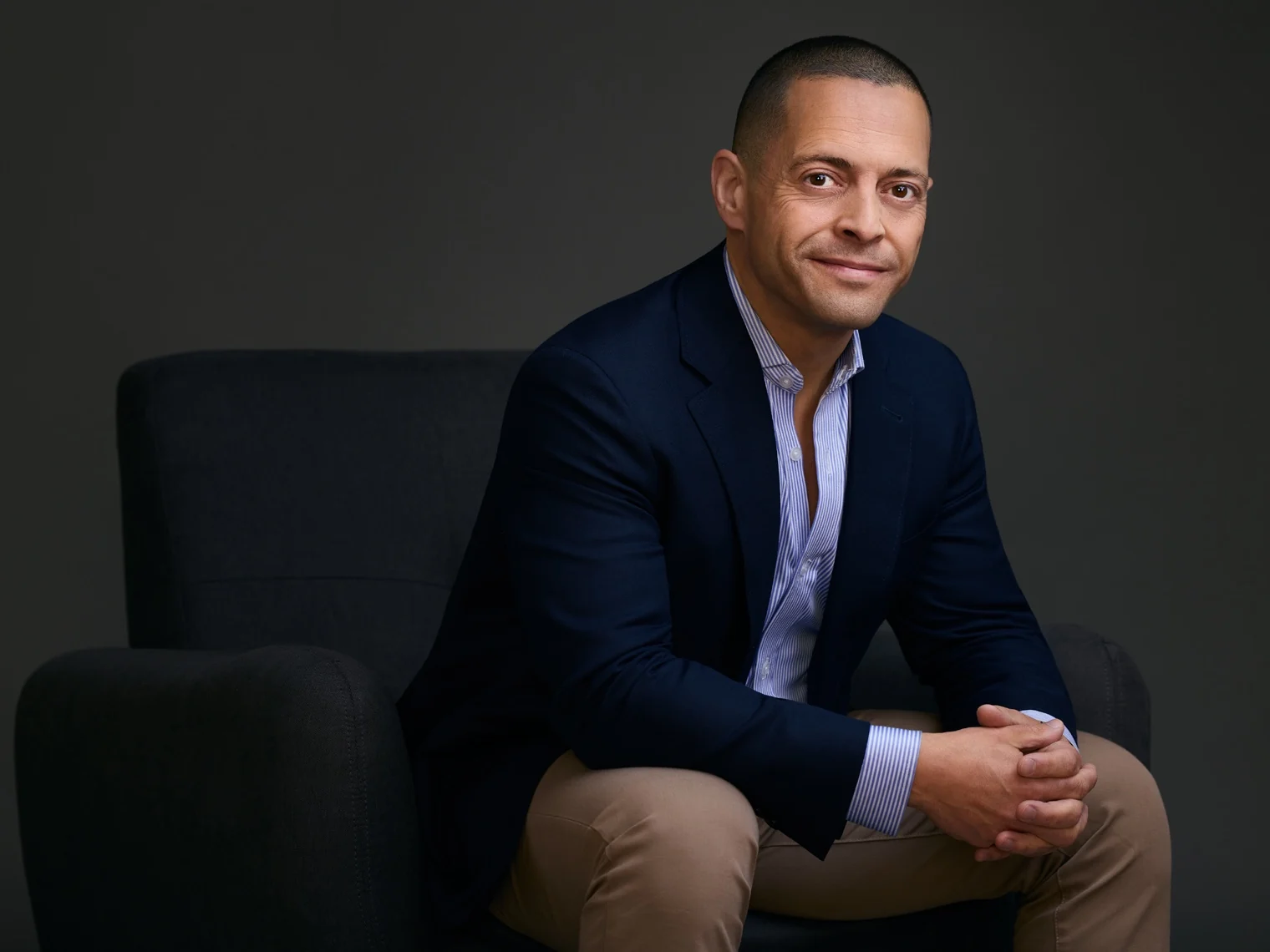
Roddy has carried the weight of a business, too. He has built and sold companies and spent 28+ years working through problems with teams and owners.
Read Roddy's storyThis is for owners who feel the business depends on them for too much. That includes plumbing, electrical, roofing, HVAC, construction, and other service businesses. The first conversation is a chance to see whether your situation and TRACE's help are a fit.
No. Start with what's happening: the calls you keep getting, the work that keeps coming back, or the decisions you can't get off your plate. We can work from there.
It's a focused 15-minute conversation. We talk about what's going on, what you want to change, and whether it makes sense to work together.
Making changes takes some attention from you. The aim is to make the business less dependent on you. We agree on the work, who's responsible, and what it will take before starting.
The damage first shows up as lost time, reopened decisions, delayed revenue, exhausted leaders, and declining confidence.
The team is not short on intelligence or effort. It is short on dedicated capacity, shared context, and someone with the authority to integrate the work. Daily operations keep winning while the critical initiative becomes another line in a leadership update.
TRACE steps in before the cost compounds. The mandate can be advisory, initiative ownership, temporary executive leadership, or a hands-on team built around the result.
It is discussed repeatedly, but daily priorities, owners, measures, and behaviour have not changed.
Commitments slip, forecasts move, and each function has a different explanation for why.
Decisions, context, and follow-through keep returning to you, slowing the team and draining your time and energy.
Leadership cannot keep up with the changes, teams are experimenting without a shared business case, and vendors are beginning to shape priorities by default.
Clarity matters only when it changes what happens next.
TRACE is built for problems that are too consequential to leave inside a normal meeting cadence. Roddy and the team can advise, take ownership, or temporarily lead, with a clear outcome, real authority, and an operating rhythm shaped around the result.
A market entry, product launch, integration, transformation, or AI rollout is important, but the executive team cannot give it the dedicated ownership it needs. TRACE converts the strategy into decisions, workstreams, owners, measures, and cadence, then drives the cross-functional execution while the team keeps running the business.
Use this when delay is costing growth, timing, or enterprise value.Explore this mandatePerformance is deteriorating, commitments are slipping, and leaders or stakeholders no longer share the same fact base. TRACE establishes the truth, stabilizes the situation, aligns owners and boards, builds the recovery plan, and runs the cadence until control and momentum return.
Use this for underperformance, stalled projects, leadership gaps, post-transaction friction, and board concern.Explore this mandateThe business owner or CEO is carrying competing priorities, stakeholder expectations, and decisions that cannot be delegated cleanly. TRACE provides confidential judgment, direct challenge, and practical follow-through to help them make the next right move.
Use this when isolation, ambiguity, or repeated decisions are draining time and energy.Explore this mandateNew models and tools appear faster than leadership can assess them. Teams launch pilots, vendors shape priorities, and no one can clearly connect the work to revenue, margin, customer value, speed, risk, or enterprise value. TRACE helps leadership decide what AI should do for the business, define the business case, ownership, safeguards, and sequence, then works alongside internal teams and technical partners to move the right opportunities into execution.
Use this when you are worried about falling behind, but equally worried about funding the wrong solution.Explore this mandateThe company is working hard, yet results are inconsistent and the real constraint remains hidden. In 90 days, TRACE surfaces the bottleneck, aligns the leadership team around one diagnosis, and installs the execution system required to create measurable movement.
Use this when the business should be performing better and another round of tactics will only add noise.Explore this mandateBuild a fact base from the data, people, decisions, incentives, and operating reality, not the story everyone has learned to repeat.
Name what must change, what success means, what is constraining it, and which decisions cannot remain ambiguous.
Translate the outcome into workstreams, owners, measures, dependencies, decision rights, and a visible sequence of work.
Create the rhythm that exposes drift early, removes blockers, preserves context, and converts meetings into decisions and follow-through.
Transfer context, playbooks, operating discipline, and reusable intelligence so progress does not depend on TRACE staying forever.
Roddy's perspective comes from moving through the full company lifecycle, not from one title or one recent chapter.
He began as a developer and then moved into the recovery of troubled enterprise technology projects, where technical issues were only part of the problem. The work required clarity across stakeholders, ownership, sequencing, and delivery.
He later founded and built a technology services company, sold and merged it into an automotive software business, operated inside the combined product company, and then reacquired the business assets he had sold with an institutional insurance partner. That next chapter became an insurance distribution platform backed by additional institutional investors.
Along the way, he participated in multiple exits, chaired boards, invested as an angel, and later helped build an AI-native venture platform focused on company creation, brand, distribution, governance, and enterprise value. The work reinforced how brand and distribution can compound company value, but it remains one chapter in a broader operating career.
Every week brings new models, agents, tools, and claims. Waiting feels dangerous. Chasing all of it creates scattered pilots, rising subscriptions, security concerns, and time pulled away from the business. Leadership does not need to understand every new release. It needs to know what matters, what to ignore, and what to implement first.
There is another risk. A technical consultant is hired to implement AI, correctly starts asking strategic questions, and becomes the business strategist by default. Technical depth is essential, but it is not a substitute for understanding the business model, customers, industry, margins, distribution, governance, operating constraints, or shareholder priorities. A technically impressive solution can still solve the wrong problem.
TRACE's value is not a narrow industry playbook. It is the ability to connect market, revenue, operations, technology, people, capital, and governance when the issue crosses normal organizational boundaries.
Roddy knows the pressure of owning and running a business because he has carried it.
He also knows the difference the right guidance can make when it arrives at the right moment. A trusted perspective can save years of effort, protect capital, preserve energy, and help a business owner make the move that would have been difficult to see alone.
TRACE exists to provide that advantage. Roddy and the team are also committed to helping the next generation of entrepreneurs and builders create enduring companies and make a positive impact on the world.

The goal is not dependence on another consultant. It is movement, stronger leaders, clearer systems, and an operating model that keeps working after the engagement.
The engagement follows the problem. TRACE can provide an advisor, initiative owner, temporary executive, coach, or hands-on operating team. Roddy remains closely involved in senior mandates while the delivery team flexes around the work. The mandate is defined around a clear outcome, authority, responsibilities, and cadence.
Usually not. In strategy execution work, TRACE supports the business owner or CEO and coordinates the critical initiative while the executive team continues to run the business. In a turnaround, Roddy and the TRACE team can take on a temporary executive mandate when the situation requires clearer authority and dedicated capacity.
TRACE is most useful in owner-led growth businesses, established private businesses, and portfolio companies where the issue is strategically important and crosses functions or stakeholders. Fit depends more on complexity, urgency, and access than on a specific revenue threshold.
Yes. TRACE starts with the business, not the tools. We first identify where the company is losing time, margin, revenue, customer value, decision quality, or risk control. We then rank the AI opportunities and define the business case, owner, safeguards, and execution sequence.
No. Technical specialists remain essential for architecture, data, security, integration, and implementation. TRACE represents the business outcome, helping leadership own the strategy and ensuring the technical work is tied to measurable value rather than allowing vendor capabilities to define the roadmap.
Business owner advisory may continue on a monthly basis. Strategy execution can range from 90 days to multiple quarters. Turnaround mandates are usually milestone-based. The Growth Breakthrough Sprint is a defined 90-day engagement.
TRACE works with leaders across North America through a mix of remote collaboration and focused on-site work when the mandate benefits from being in the room.
Tell us what's going on. We'll work out the next step together.
Let's talk15 minutes · Private conversation